Host a student
Provide paid or volunteer hands-on experience in one or more required sterile processing work areas. A full 400-hour placement is valuable, but partial-hour opportunities are also accepted.
The Sterile Process Foundation
The Sterile Process Foundation is the nonprofit arm of our work. Its mission is to provide affordable sterile processing training and workforce preparation to people in at-risk and underserved communities.
We welcome partnerships with community-based organizations, workforce boards, reentry programs, schools, shelters, healthcare systems, public agencies, and funders that want to create a direct pathway into a healthcare career.
Employer Identification Number (EIN)92-3004281
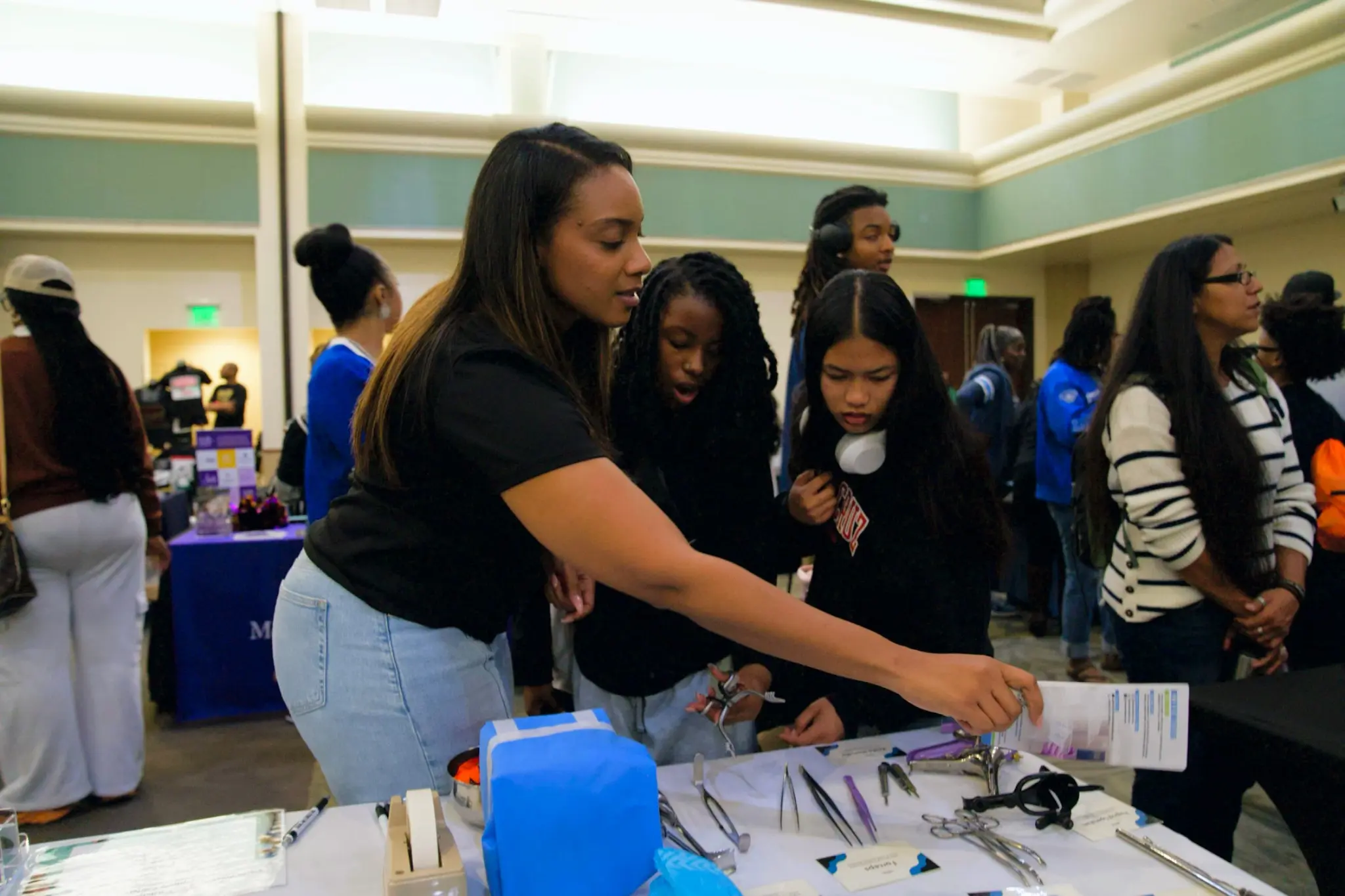
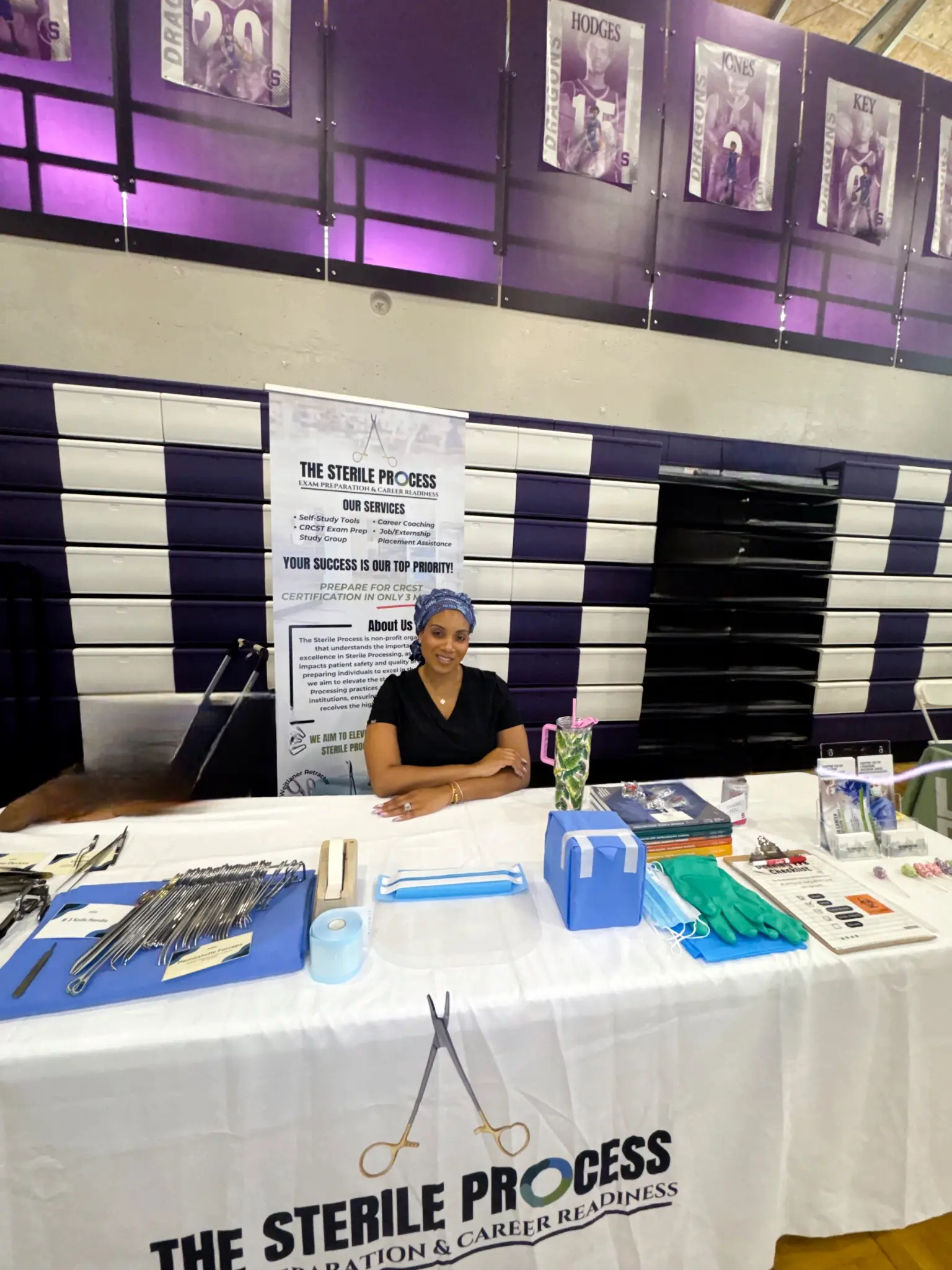
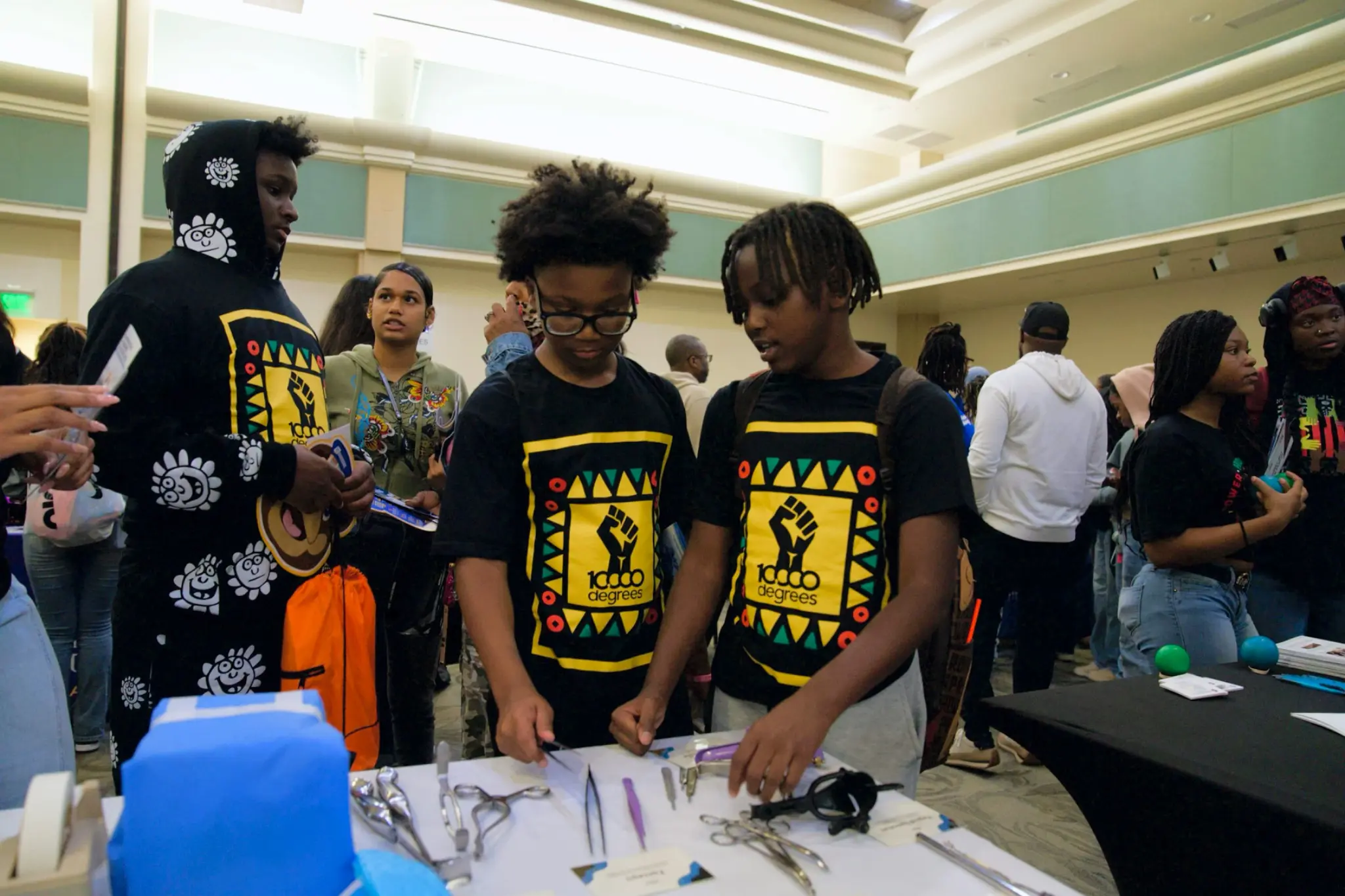
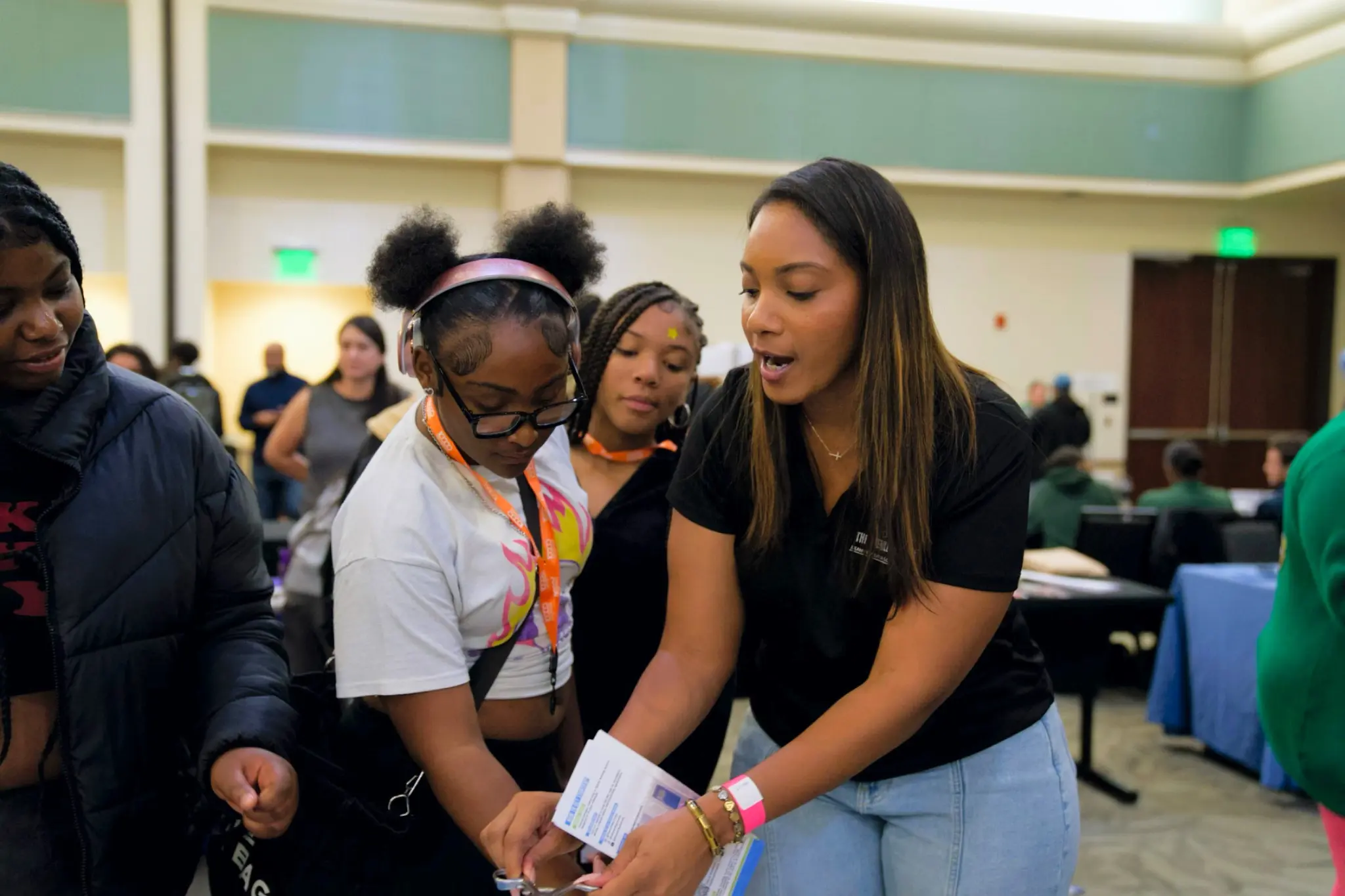
Community partnerships
We are seeking healthcare facilities willing to provide supervised hands-on experience and organizations able to donate instruments or training supplies. Both forms of support strengthen the bridge between education and workforce readiness.
Submit a partnership inquiryWays to partner
Provide paid or volunteer hands-on experience in one or more required sterile processing work areas. A full 400-hour placement is valuable, but partial-hour opportunities are also accepted.
Donate reusable instruments, trays, containers, wrappers, indicators, inspection tools, or other appropriate materials for supervised student practice and demonstration.
Partner with The Sterile Process Foundation to bring affordable sterile processing education and workforce preparation to at-risk and underserved communities.
The certification requirement
HSPA requires candidates to pass the CRCST examination and complete 400 hours of hands-on experience in a Sterile Processing department. The experience may be paid or volunteer and may be divided among multiple facilities.
Students who pass the exam before completing their hours hold provisional certification and must submit qualifying documentation within HSPA’s required timeframe. HSPA, not The Sterile Process, determines whether experience and documentation are accepted.
Review HSPA’s current CRCST requirementsFor student host sites
The goal is legitimate, supervised experience that helps a student build safe work habits and gives HSPA a clear, verifiable record of completed hours.
A qualified manager or supervisor must oversee the student, physically witness the work performed, and provide professional contact information for verification.
Students should participate in appropriate tasks within the applicable experience categories. Observation alone cannot replace hands-on experience.
The site must track the hours completed in each required area and complete its portion of HSPA documentation. When multiple sites are used, each facility documents only the hours completed there.
The partner identifies its screening, health, orientation, confidentiality, safety, scheduling, and conduct requirements before a student begins.
HSPA requires facilities outside a hospital or surgery center to be reviewed and approved before a candidate begins accumulating hours. The Sterile Process will coordinate with the prospective partner and student, but final authorization belongs to HSPA.
For instrument donors